
Root Canal Treatment in Charlotte, NC
If you have persistent tooth pain, sensitivity, or a damaged tooth, root canal treatment may help relieve discomfort and preserve your natural smile. At Queen City Endodontics, our endodontists provide specialized root canal therapy in Charlotte, NC, and surrounding communities. We focus on diagnosing problems inside the tooth, treating infection, and helping patients maintain their natural teeth whenever possible.
What Is a Root Canal?
Inside each tooth is a soft tissue called the dental pulp, which contains nerves, blood vessels, and connective tissue. This tissue extends through narrow channels called root canals. When the pulp becomes inflamed or infected due to decay, injury, or other damage, root canal treatment may be needed to protect the tooth.
During root canal therapy, an endodontist removes the affected pulp, cleans and disinfects the root canal system, and seals the inside of the tooth. The treated tooth can then be restored by your general dentist to help it function normally.
When Do You Need a Root Canal?
Root canal treatment may be recommended when damage or infection reaches the pulp inside a tooth. Several conditions can affect the pulp and make endodontic treatment necessary.
Deep Tooth Decay
Untreated cavities can gradually extend through the outer layers of a tooth and reach the pulp. When bacteria enter this inner tissue, inflammation or infection may develop. Root canal therapy removes the affected tissue and may allow the tooth to be preserved instead of extracted.
Cracked or Damaged Teeth
Cracks and chips can create openings that allow bacteria to reach the pulp. Some cracks are difficult to see and may cause discomfort only when biting or chewing. Our team also evaluates cracked teeth to determine whether root canal therapy or another treatment is appropriate.
Traumatic Dental Injuries
A sports injury, fall, car accident, or other impact can damage the pulp even when a tooth appears normal on the outside. Symptoms may develop immediately or appear later. If you have experienced a traumatic dental injury, an endodontic evaluation can help identify damage and determine the next steps for treatment.
Repeated Dental Procedures
A tooth that has undergone multiple fillings, crowns, or other dental procedures may become more susceptible to pulp inflammation. If the pulp becomes damaged, root canal treatment may help address the problem while preserving the natural tooth.
Signs You May Need Root Canal Treatment
Symptoms of pulp inflammation or infection can vary. Some patients experience noticeable pain, while others have mild discomfort or no symptoms at all. Common signs that you may need an evaluation include:
- Persistent or throbbing tooth pain
- Sensitivity to hot or cold that lingers after the source is removed
- Pain when biting or chewing
- Tenderness around the tooth or surrounding gums
- Swelling near the affected tooth
- A pimple-like bump or abscess on the gums
- Darkening or discoloration of a tooth
- Changes in tooth sensitivity or comfort following a dental injury
These symptoms do not always mean you need a root canal, but they should not be ignored. An examination can help determine the cause of your discomfort and whether endodontic treatment is appropriate.
How Does Root Canal Treatment Work?
Root canal therapy is a step-by-step procedure that treats the inside of the tooth while preserving as much of its natural structure as possible. At Queen City Endodontics, your treatment plan will depend on the condition of the tooth and the complexity of its root canal system.
1. Examination and Diagnosis
Your appointment begins with an examination and dental imaging to evaluate the tooth, surrounding bone, and root canal anatomy. Your endodontist will review the findings with you and explain whether root canal treatment is the best option.
2. Numbing the Tooth
Local anesthesia is used to numb the tooth and surrounding area before treatment begins. Our team checks in with you throughout the procedure to help you remain comfortable. Nitrous oxide may also be available when appropriate for your needs.
3. Removing the Infected or Inflamed Pulp
Once the tooth is numb, a small opening is made to access the pulp chamber. The affected pulp is carefully removed from inside the tooth, addressing the source of the problem while preserving the outer tooth structure.
4. Cleaning and Disinfecting the Root Canals
The root canals are cleaned and shaped to remove affected tissue, bacteria, and debris. The canals are then disinfected to help reduce the risk of persistent or future infection. This process requires precision because root canal systems can contain narrow, curved, or branching channels.
5. Filling and Sealing the Tooth
After the canals have been cleaned, they are filled with a biocompatible material and sealed to help prevent bacteria from reentering. The opening in the tooth is then closed, sometimes with a temporary filling until the final restoration is completed.
6. Restoring the Tooth
Following root canal therapy, you will return to your general or restorative dentist for a permanent restoration. Depending on the tooth’s location and condition, this may involve a filling or a dental crown. Completing the restoration promptly helps protect the treated tooth and restore its function.
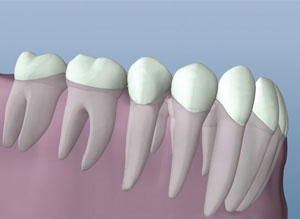
Healthy Tooth
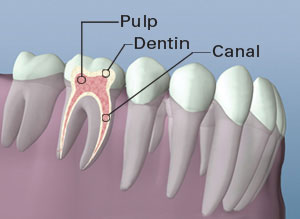
Tooth Anatomy
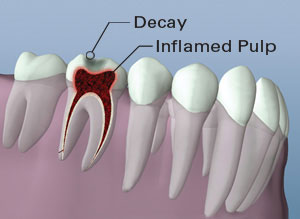
Inflammation
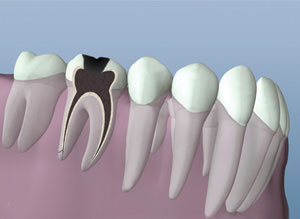
Cleaned Canals
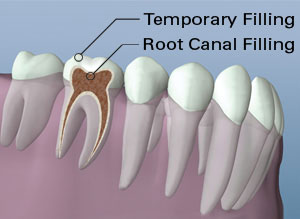
Filling Placed
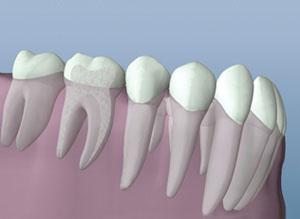
Healed Tooth
How Long Does a Root Canal Take?
Many root canal treatments can be completed in a single appointment, while others require more than one visit. Treatment time depends on the tooth being treated, the number and shape of its canals, the complexity of the case, and whether the tooth needs endodontic retreatment following an earlier procedure.
Your endodontist will explain what to expect during your consultation. After treatment, you will also need to schedule the appropriate permanent restoration with your general dentist.
Is Root Canal Treatment Painful?
Modern local anesthesia helps numb the tooth and surrounding area during treatment. Many patients describe the procedure as pressure or mild discomfort rather than pain. Root canal therapy is designed to address the inflamed or infected pulp that may be causing tooth pain.
Some tenderness or soreness after treatment is normal for a short time. Contact our office if you experience severe pain, worsening symptoms, or swelling. You can also learn more by visiting our page about common myths about root canals.
What to Expect After a Root Canal
After root canal therapy, you may experience mild tenderness or sensitivity around the treated tooth. Most patients can return to their normal activities soon after their appointment, although recovery varies.
To care for your tooth after treatment:
- Wait until the numbness wears off before eating.
- Choose softer foods if the tooth feels tender.
- Avoid chewing on the treated side until your permanent restoration is placed.
- Continue brushing and flossing to maintain good oral hygiene.
- Schedule a follow-up appointment with your general dentist for the final restoration.
Queen City Endodontics will provide guidance about your recovery and remain available if you have concerns. Contact our office if symptoms persist, worsen, or include significant swelling.
Root Canal vs. Tooth Extraction
Root canal treatment and tooth extraction address dental problems in different ways. Root canal therapy removes damaged or infected tissue from inside the tooth, allowing the natural tooth to remain in place. An extraction removes the entire tooth and may require replacement to restore your bite and function.
Depending on your needs, tooth replacement options may include a dental implant, bridge, or another restoration. When a tooth can be predictably treated and preserved, saving the natural tooth may be a suitable option. Your dentist or endodontist can explain the benefits and limitations of each approach based on your specific condition.
Why See an Endodontist for Root Canal Treatment?
Endodontists are dental specialists who complete additional training beyond dental school to diagnose tooth pain and treat conditions affecting the dental pulp and root canal system. Their specialized focus includes routine root canal therapy, complex root canal anatomy, and previously treated teeth.
Your general dentist may refer you to an endodontist when a tooth requires specialized evaluation or treatment. At Queen City Endodontics, our team focuses on helping patients preserve their natural teeth through specialized endodontic care. Learn more about why you may benefit from seeing an endodontist.
Root Canal Treatment in Charlotte, NC, and Nearby Communities
Queen City Endodontics provides specialized root canal treatment at four offices serving the greater Charlotte area. Our locations make it easier for patients to access endodontic care near home or work.
- South Charlotte: Our South Charlotte office serves patients near Ballantyne, Blakeney, and surrounding communities.
- University City: Our Charlotte University office welcomes patients from University City, Harrisburg, and nearby areas.
- Matthews: Our Matthews office provides convenient access for patients in Matthews, Mint Hill, and surrounding communities.
- Lake Norman: Our Lake Norman office in Mooresville serves patients from Huntersville and the north Charlotte area.
Whether you need an evaluation for tooth pain or have been referred for root canal therapy, our team can help you find the appropriate location for your visit.
Why Choose Queen City Endodontics?
Queen City Endodontics is dedicated exclusively to endodontic care. Our team includes Drs. Haglund, Coe, Kleitches, Hutcheson, Hubbard, Carpenter, and Lynn, who are endodontic specialists and members of the American Association of Endodontists.
We treat routine and complex endodontic conditions with an emphasis on preserving natural teeth and supporting patient comfort. We also coordinate with general dentists throughout the Charlotte area to help ensure continuity of care from your initial evaluation through your final restoration.
Frequently Asked Questions About Root Canals
What Are the Signs That I Need a Root Canal?
Common signs include persistent tooth pain, lingering sensitivity to hot or cold, pain when biting, swelling or tenderness around the gums, a pimple-like bump on the gums, or tooth discoloration. Some patients have no noticeable symptoms, and a problem may be identified during a dental examination or X-ray. An evaluation can help determine whether root canal treatment is necessary.
Does a Root Canal Hurt?
Local anesthesia helps keep the tooth and surrounding area numb during treatment. Many patients experience pressure or mild discomfort rather than pain. Some tenderness afterward is normal and typically improves as the tooth heals.
How Long Does Root Canal Treatment Take?
Many root canals can be completed in one appointment, while others require additional visits. Treatment time depends on the tooth, the number and shape of its canals, and whether it has been treated previously. Your endodontist will explain the expected treatment timeline during your consultation.
Can a Root Canal Save My Natural Tooth?
Yes. The primary goal of root canal therapy is to treat the problem inside the tooth while preserving the natural tooth whenever possible. After your general dentist completes the final restoration, the tooth can continue to support normal biting and chewing. Your endodontist will determine whether the tooth is a suitable candidate for treatment.
What Should I Expect After a Root Canal?
Mild tenderness or sensitivity may occur for a short time after treatment. Choose softer foods if needed, avoid chewing on the treated tooth until it is permanently restored, and continue brushing and flossing. Contact Queen City Endodontics if you experience severe pain, swelling, or symptoms that do not improve.
Do I Need a Crown After a Root Canal?
Some teeth benefit from a crown to restore strength and help prevent fractures, while others may be restored with a filling. The recommended restoration depends on the tooth’s location, condition, and remaining structure. Your general or restorative dentist will help determine the most appropriate option.
How Much Does a Root Canal Cost in Charlotte, NC?
The cost of root canal treatment in Charlotte varies based on the tooth being treated, the complexity of the procedure, and the type of treatment needed. Dental insurance coverage can also affect your out-of-pocket expenses. Our team can discuss your treatment plan and answer questions about insurance and payment options before treatment begins.
When Should I See an Endodontist for Tooth Pain?
Consider an endodontic evaluation if you experience persistent tooth pain, lingering sensitivity, swelling, or symptoms following a dental injury. Endodontists specialize in diagnosing tooth pain and treating conditions affecting the pulp and root canal system. Your general dentist may refer you, or you can contact Queen City Endodontics to schedule an evaluation at a convenient location.
How Much Does a Root Canal Cost?
The cost of root canal treatment depends on factors such as the severity of the damage, the location of the affected tooth, and the complexity of the root canal system. In many cases, treating and preserving a natural tooth may be less expensive than extracting it and replacing it with an artificial tooth. Our team can help explain your treatment options and anticipated costs.
Schedule a Root Canal Consultation in Charlotte, NC
If you are experiencing tooth pain or have been referred for endodontic treatment, Queen City Endodontics can evaluate your tooth and discuss appropriate options. Contact the office nearest you to schedule an appointment for root canal treatment in Charlotte, NC, or a nearby community.